Bacteria Causing Sepsis Model Manufacturer,Supplier and Exporter in India

Product Code : JC-BE-6165
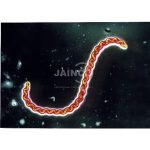
The Bacteria Causing Sepsis Model from Jaincolab is a three-dimensional teaching model that illustrates how bacterial infection can progress into systemic sepsis.
It is used in microbiology and medical courses to explain the common bacterial causes of sepsis and the pathway from localized infection to systemic inflammatory response and septic shock.
What the Concept States
| Parameter | Details |
|---|---|
| Definition | Sepsis is a life-threatening condition arising from a dysregulated host response to infection, leading to organ dysfunction |
| Common Causative Bacteria | Staphylococcus aureus, Escherichia coli, Klebsiella pneumoniae, Pseudomonas aeruginosa, and Streptococcus pyogenes are frequent causes of bacterial sepsis |
| Triggering Mechanism | Bacterial components such as lipopolysaccharide (endotoxin) in Gram-negative bacteria and exotoxins in Gram-positive bacteria trigger a systemic inflammatory response |
| Clinical Progression | Sepsis progresses through systemic inflammatory response (SIRS), sepsis, severe sepsis, and septic shock |
| Key Complications | Hypotension, multi-organ dysfunction, and disseminated intravascular coagulation can occur in advanced stages |
Key Features
- Illustrates the bacterial pathogenesis pathway leading to systemic sepsis
- Highlights key causative bacterial species involved in septicemia
- Shows the clinical progression from localized infection to septic shock
- Durable, exam-oriented construction for repeated classroom use
- Compact benchtop format suitable for laboratories and lecture halls
Why Choose Jaincolab
As a trusted biology lab equipment supplier in India, Jaincolab (Jain Scientific Suppliers) is an ISO 9001:2015 and ISO 14001:2015 certified manufacturer and exporter of laboratory and scientific teaching models, supplying biology, chemistry, physics, and pharmacy equipment to institutions across India and internationally. Explore our complete range on the Biology Equipment category page, including our Bacterial Families Model and Normal Flora in Human Body Model, for related microbiology teaching aids.
Applications
| Application Area | Use |
|---|---|
| Microbiology Education | Teaching the mechanism of bacterial sepsis and septicemia |
| Medical Colleges | Explaining the clinical progression of sepsis for diagnosis and management training |
| Nursing and Paramedical Training | Understanding sepsis recognition and pathophysiology |
| Critical Care Training | Correlating bacterial pathogenesis with systemic organ dysfunction |
| Science Exhibitions | Visual overview of sepsis pathogenesis for general audiences |
Frequently Asked Questions
Q1. What does the Bacteria Causing Sepsis Model demonstrate?
A. It demonstrates how bacterial infection progresses into systemic sepsis and septic shock.
Q2. Which bacteria commonly cause sepsis?
A. Staphylococcus aureus, Escherichia coli, Klebsiella pneumoniae, Pseudomonas aeruginosa, and Streptococcus pyogenes are common causes of bacterial sepsis.
Q3. What triggers the systemic inflammatory response in sepsis?
A. Bacterial components such as endotoxin and exotoxins trigger the host's systemic inflammatory response.
Q4. What are the stages of sepsis progression?
A. Sepsis progresses from a systemic inflammatory response through sepsis, severe sepsis, and septic shock.
Q5. Who uses this model?
A. Microbiology, medical, and nursing students and faculty use it to study the pathogenesis of bacterial sepsis.
Request a Quote
To request pricing or place an order for the Bacteria Causing Sepsis Model, please contact our team with your requirement.